
Subtotal $0.00

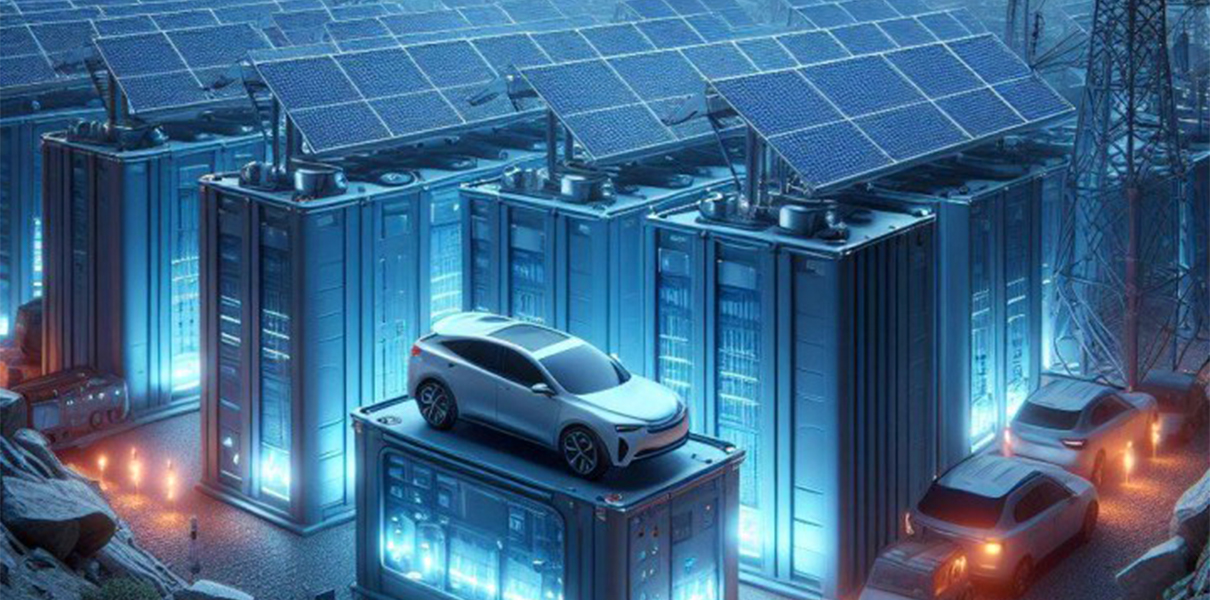
Battery Energy Storage Systems (BESS) are rapidly transforming the energy landscape across the globe, and Saudi Arabia is no exception. With a growing focus on renewable energy integration, a commitment to Vision 2030’s sustainability goals, and a burgeoning electric vehicle (EV) market, BESS offers a powerful solution for businesses, homeowners, and the future of transportation. This article explores the value proposition of BESS in the Saudi context, highlighting ideal applications, potential payback periods, and how this technology can contribute to a more secure, sustainable, and EV-friendly energy future for the Kingdom.
Why BESS is Ideal for Saudi Arabia:
Solar Power Integration: The Kingdom boasts exceptional solar resources. BESS can bridge the gap between peak solar generation and evening peak demand periods, maximizing the utilization of clean solar energy to power both homes and a growing network of EV charging stations. For instance, a large-scale solar farm integrated with BESS can ensure a reliable and clean source of power for a network of fast-charging EV stations along major highways, facilitating long-distance travel for electric vehicles.
Reduced Reliance on Fossil Fuels: By storing excess renewable energy, BESS can help decrease dependence on traditional power plants, lowering greenhouse gas emissions and aligning with Saudi Arabia’s environmental goals, especially as EV adoption increases. Widespread EV charging powered by BESS and renewables can significantly contribute to reducing the Kingdom’s carbon footprint.
Peak Demand Management for EVs: Saudi Arabia experiences high electricity demand during peak summer hours. BESS can act as a buffer, strategically discharging stored energy to reduce peak demand charges imposed by utilities, particularly when a surge in EV charging coincides with peak demand periods. This can lead to significant cost savings for both EV charging station operators and electricity consumers. For example, a manufacturing plant with a fleet of electric delivery vehicles can leverage BESS to reduce peak demand charges during the afternoon hours when both EV charging and factory operations peak.
Grid Stability with EVs: BESS can contribute to a more stable grid by absorbing sudden surges in demand from EV charging and preventing blackouts, especially beneficial as the Kingdom integrates more renewables and welcomes a growing number of EVs. This ensures a reliable power supply for both homes and businesses, even with fluctuating electricity demands from a growing EV ecosystem.
Enhanced Backup Power: During grid outages, BESS can provide a reliable source of backup power, protecting critical infrastructure and businesses from disruptions, ensuring uninterrupted operation of EV charging stations, and continued service for EV users. Hospitals with EV charging stations for staff and emergency vehicles can benefit from BESS by guaranteeing a reliable power source during outages, enabling continued patient care and emergency response.
Ideal Applications for BESS in Saudi Arabia:
- Large-Scale Renewable Energy Projects with EV Charging Integration: BESS can be integrated with large solar and wind farms to ensure stable and reliable power delivery into the national grid, specifically designated for powering a network of EV charging stations.
- Commercial and Industrial Facilities with EV Fleets: Manufacturing plants, hospitals, and data centers with electric vehicle fleets can benefit significantly from BESS by reducing peak demand charges, ensuring uninterrupted operations during outages, and providing a reliable power source for their EV charging infrastructure.
- Off-Grid Communities and Remote EV Charging Stations: BESS coupled with solar panels can provide a self-sufficient and sustainable power solution for remote EV charging stations, facilitating the expansion of the EV ecosystem throughout the Kingdom. This can enable fast-charging stations in off-grid locations along tourist routes or rural areas, promoting sustainable transportation options nationwide.
Payback Period and Incentives:
The payback period for a BESS investment in Saudi Arabia depends on factors like system size and energy usage patterns. However, with rising energy costs and advancements in BESS technology, payback periods are typically between 5-10 years. Additionally, the Saudi government offers incentives for renewable energy integration with storage, further shortening the payback timeframe and accelerating BESS adoption, particularly for EV charging applications.
Investing in a Sustainable and EV-Ready Future:
By incorporating BESS technology, Saudi Arabia can move towards a cleaner, more secure, and EV-friendly energy future. Explore how BESS solutions can be tailored to your specific needs, whether it’s integrating them with existing solar panels or creating a complete renewable energy and storage package to power your home or a network of EV charging stations.
Ready to unlock the power of BESS? Research reputable BESS providers and consult with energy specialists to find the best solution for your energy security, environmental goals, and the future of electric vehicles in Saudi Arabia. By embracing BESS technology, Saudi Arabia can solidify its position as a leader in the region’s sustainable energy transition and pave the way for a robust EV ecosystem.

Comments are closed