
Subtotal $0.00

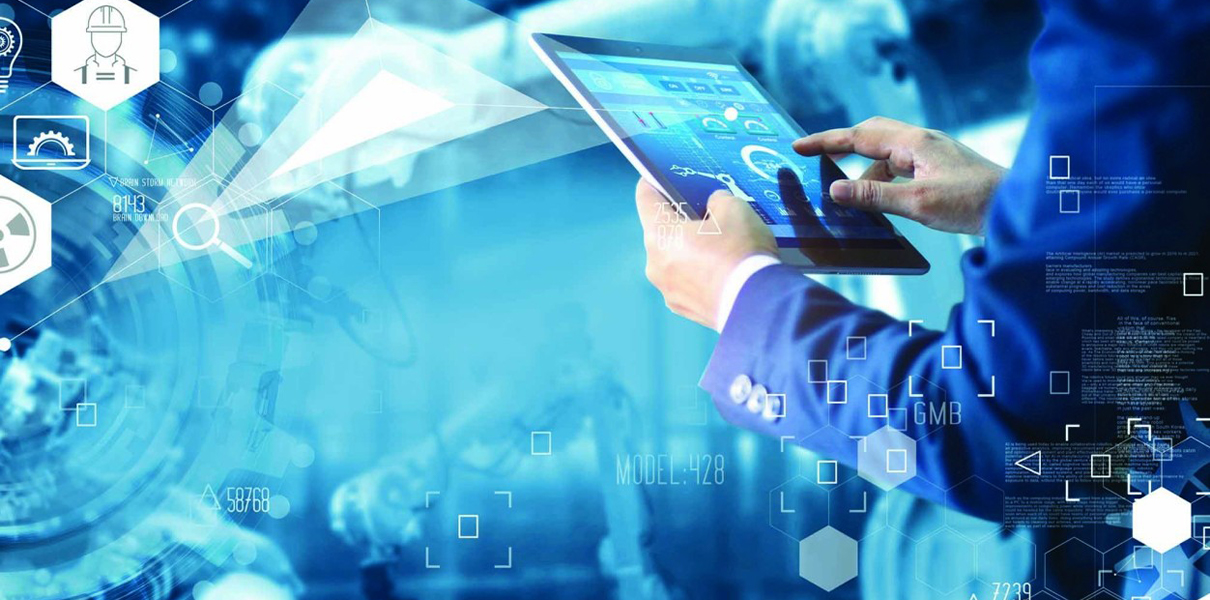
The electrical and electronics manufacturing industry is undergoing a transformative revolution driven by the integration of artificial intelligence (AI) and automation. These advancements are reshaping the industry landscape, demanding a strategic approach from professionals like electrical engineers, manufacturing specialists, and quality control experts to ensure success. This article explores the significant impact of AI and automation, highlighting both the challenges and opportunities they present.
Current Trends
Smart Factories and Industry 4.0
The convergence of AI, the Internet of Things (IoT), and automation has given rise to smart factories, a hallmark of the Fourth Industrial Revolution (Industry 4.0). These intelligent facilities leverage AI to optimize processes, improve decision-making, and enable real-time monitoring.
Example: AI-powered circuit board inspection utilizes machine vision and deep learning algorithms to detect defects with higher accuracy and speed than traditional methods. This frees up quality control inspectors to focus on supervising the AI system, analyzing complex defects, and implementing preventative maintenance measures to reduce future issues.
Workforce Transformation
Automation’s growing role necessitates a substantial workforce transformation. Here’s how industry professionals can navigate this shift:
- Reskilling and Upskilling: Employees must develop new skill sets to thrive in the AI-driven era. Focus on digital literacy, data analysis, and the ability to collaborate effectively with AI systems. Numerous online courses and training programs can equip you with these essential skills. For example, an electrical engineer might upskill in data analysis to interpret data generated by AI-powered equipment, allowing for proactive maintenance and performance optimization.
- Human-AI Collaboration: Rather than replacing human workers, AI is increasingly seen as a tool to augment their capabilities. Embrace AI as a powerful collaborator that can handle repetitive tasks, freeing you to focus on higher-level activities like strategic planning, product innovation, and client relationship management. A manufacturing specialist can leverage AI-powered production line optimization to identify bottlenecks and suggest improvements. The specialist can then work with engineers to implement these changes, maximizing efficiency.
Challenges and Opportunities
Challenges
- Workforce Reskilling: Successfully reskilling the existing workforce is crucial. Advocate for comprehensive training programs within your organization to bridge the skills gap and ensure a smooth transition. Industry associations and educational institutions can also play a role in providing relevant training opportunities.
- Data Security and Privacy: As interconnected systems become the norm, robust cybersecurity measures are essential to prevent data breaches and protect intellectual property. Stay informed about best practices in data security and advocate for strong cybersecurity protocols within your organization. An IT security specialist can play a crucial role in implementing these measures.
Opportunities
- Cost Savings and Efficiency: Automation can significantly reduce labor costs, particularly in repetitive tasks like soldering or component placement. Leverage AI to optimize processes further, leading to overall cost reduction and increased operational efficiency. This allows you to focus on cost-saving initiatives and streamline production for a competitive edge. For instance, an operations manager can utilize AI to optimize production scheduling and resource allocation, maximizing output while minimizing waste.
- Innovation and Competitive Advantage: AI-powered analytics can unlock new possibilities for product design, materials science, and energy efficiency. By analyzing vast amounts of data, AI can identify trends, predict customer needs, and accelerate innovation cycles. This allows you to develop cutting-edge products that meet evolving market demands and gain a competitive advantage. An electronics designer can leverage AI to explore new material combinations or component configurations, leading to the development of more efficient and sustainable products.
Quantifying the Impact
A study by McKinsey Global Institute estimates that by 2030, AI could contribute up to $3.7 trillion to the global electronics industry through increased productivity and innovation. However, the same study also warns of potential job displacement, with up to 14% of the workforce potentially impacted.
Ethical Considerations
The ethical implications of AI in manufacturing must be considered. Algorithmic bias can lead to unfair hiring practices or product design flaws. As a professional, you can advocate for responsible development and deployment of AI to mitigate these risks and ensure ethical practices within your organization.
Future Outlook
The future of AI and automation in electronics manufacturing is brimming with possibilities. We can expect advancements in areas like:
Self-learning AI systems continuously improve processes and product quality by analyzing real-time data and identifying areas for optimization.
Autonomous robots perform complex assembly tasks with greater dexterity and precision than traditional robots, allowing for the production of miniaturized and intricate electronics.
AI-powered predictive maintenance for machines, minimizing downtime and optimizing production schedules. This allows maintenance technicians to focus on preventative measures and complex repairs, extending the lifespan of equipment.

Comments are closed